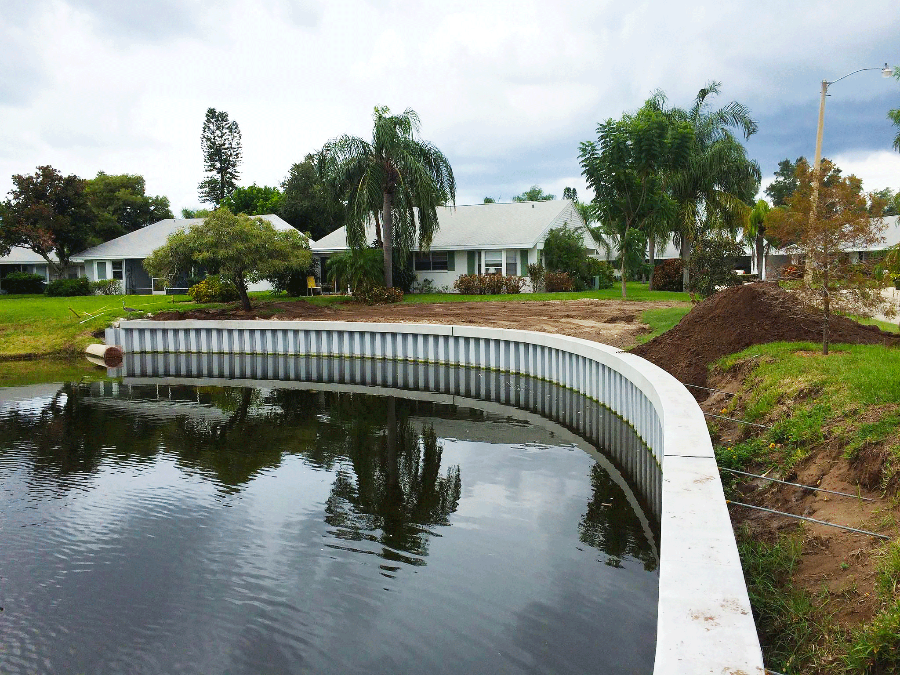
Waterfront properties are beautiful and often highly valued, but they also face unique risks. One of the biggest threats to homes and businesses near the water is erosion and flooding caused by waves, tides, and storms. Over time, the structures that protect these properties, such as sea walls, can weaken or become damaged. Understanding how sea wall repair can safeguard your property is essential for any waterfront property owner.
Understanding the Importance of Sea Walls
Sea walls are structures built along the shoreline to act as a barrier between the water and the land. Their primary purpose is to prevent erosion, protect the foundation of buildings, and reduce the impact of waves during storms. Without a strong and well-maintained sea wall, waterfront properties are at risk of structural damage, soil loss, and even flooding during high tides or heavy storms. Regular maintenance and timely sea wall repair can extend the life of these barriers and protect your investment.
Common Causes of Sea Wall Damage
Sea walls face constant pressure from natural forces, which can lead to cracks, settling, or even partial collapse. Some common causes of damage include strong waves, storms, and rising water levels. Additionally, poor construction or the use of low-quality materials can contribute to faster wear and tear. Over time, plants and roots growing near the wall can also create small cracks that grow into larger problems. Identifying these issues early and performing sea wall repair can prevent more serious damage to both the wall and your property.
Benefits of Timely Sea Wall Repair
Repairing a sea wall promptly can provide several important benefits. First, it restores the protective barrier that keeps water away from your property, reducing the risk of erosion and flooding. Second, it maintains the value of your property. Waterfront properties can lose significant value if the shoreline is eroding or the sea wall is visibly damaged. Third, sea wall repair can prevent expensive future repairs. Small cracks or minor structural issues can often be fixed quickly, but neglecting them may result in major reconstruction, which is far more costly.
Methods of Sea Wall Repair
The approach to sea wall repair depends on the type of wall and the extent of the damage. Common methods include patching cracks, reinforcing the structure with concrete or steel, and sometimes completely rebuilding sections that have failed. In some cases, adding additional protective elements such as riprap, which are large rocks placed in front of the wall, can help absorb wave energy and reduce stress on the structure. A professional contractor specializing in sea wall repair can assess the condition of your wall and recommend the most effective solution for long-term protection.
Maintenance Tips to Protect Your Sea Wall
Even after repairs, ongoing maintenance is essential to keep a sea wall effective. Regular inspections, especially after storms, can help identify new damage before it worsens. Removing debris and vegetation that may stress the wall is also important. Additionally, controlling water runoff from your property can prevent soil erosion behind the wall, which can weaken its foundation. By combining professional repairs with careful maintenance, you can ensure your sea wall continues to protect your property for years to come.
Conclusion
Waterfront properties face unique challenges, and protecting them requires attention and care. Sea wall repair is a vital step in safeguarding your property from erosion, flooding, and storm damage. By understanding the importance of sea walls, recognizing potential damage early, and investing in timely repairs and maintenance, property owners can preserve the value and safety of their waterfront investments. Regular upkeep ensures that your sea wall remains a strong and effective barrier, giving you peace of mind and protecting your home or business for the future.